
Close


| Product: | Groundnut Kernels |
|---|---|
| Origin: | India |
| Harvesting Season: | January - June & September - November |
| Form Available: | Whole |
| Varieties Available: | BOLD, JAVA, TJ |
| Counts Available: | 35/40, 38/42, 40/50, 50/60, 60/70, 80/90 |
| Packaging: | 5 kg, 10 kg, 15 kg, 25 kg, 50 kg, 750 kg, 1000 kg In Vacuum / PP / Jute / Jumbo Bags. |
| Labelling: | As per buyer's requirements. |
| Specification: | Detailed product specifications available upon request. |
| Shelf Life: | 1 Year From Production Date |
| Microbiological Parameters: | As per buyer's requirements and importing country norms. |
| Storage Condition: | Store in a Cool & Dry Place (Below 20°C) |
| MOQ: | 1 FCL × 20 ft Container |
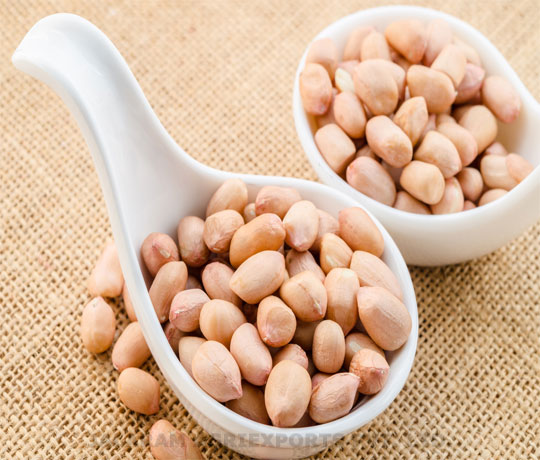
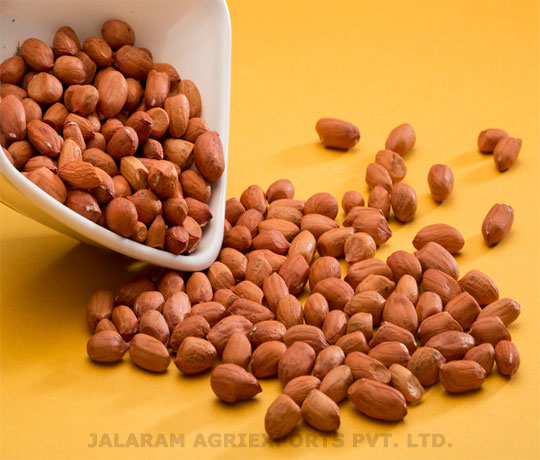
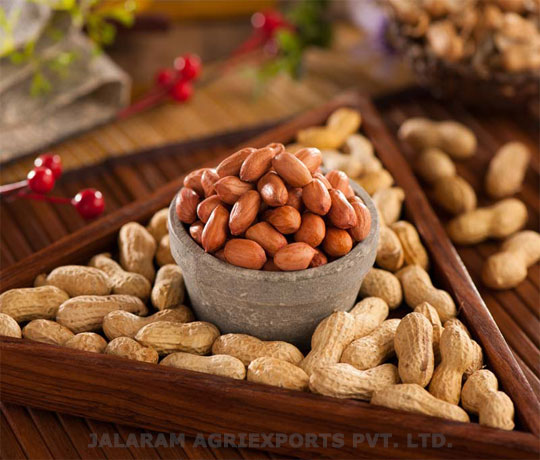
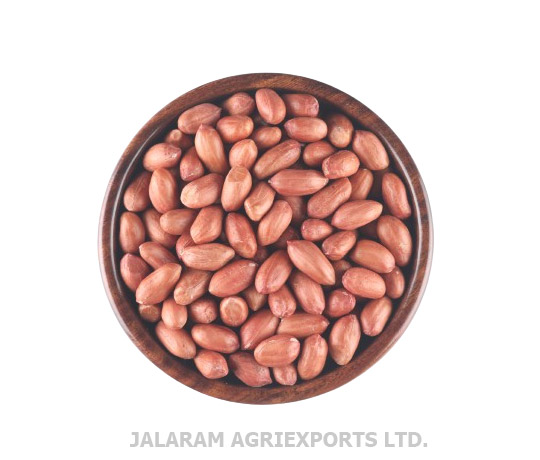
Groundnut Kernels, also known as Peanuts, are one of the most important crops grown in tropical and semi-arid regions. They are a rich source of edible oil, vegetable protein, and essential nutrients, containing approximately 45–53% oil and 24–36% protein. India is one of the leading producers and exporters of Groundnut Kernels, supplying premium-quality kernels to food manufacturers and international markets.
Groundnut Kernels are appreciated for their uniform size, high oil content, natural colour, excellent taste, and consistent quality. Their low moisture content, superior purity, controlled aflatoxin levels, and export-grade standards make them a preferred choice for edible oil extraction, food processing, and international buyers seeking premium-quality groundnuts.
With over 50 years of expertise in sourcing and processing Groundnut Kernels, Jalaram Group carefully procures raw materials from the green belt of peanut-growing regions to ensure superior quality and controlled aflatoxin levels. Our hygienic processing practices, advanced quality control systems, and strict adherence to international standards enable us to consistently supply premium-quality Groundnut Kernels that meet the diverse requirements of global customers.